By Stephen Antwi-Asimeng, Member, Collaborative for Fund Domiciliation in Africa and Cheikh Souleymane Diallo, President, l’Association Ivoirienne des Investisseurs en Capital
Across Africa, the urgency to unlock private capital is no longer in question. What receives far less attention is a structural issue that continues to shape where that capital ultimately flows: the jurisdiction in which investment funds are domiciled.
For decades, a large share of Africa-focused investment vehicles has been structured offshore. This has provided comfort to international investors, but it has also limited the development of local financial systems, reduced transparency, and constrained the mobilisation of domestic capital.
Côte d’Ivoire is uniquely positioned to lead a new era of fund domiciliation on the continent.
As the largest economy in the West African Economic and Monetary Union, accounting for roughly 40 percent of its economic activity, the country is well placed to lead the development of a regional fund domiciliation hub. Its role within the Organisation for the Harmonisation of Business Law in Africa further strengthens its ability to influence how investment frameworks evolve across Francophone Africa. But leadership alone is not enough. Execution will determine whether this potential translates into tangible investment flows.
From ambition to implementation
Côte d’Ivoire already hosts the region’s financial markets regulator, the Autorité des Marchés Financiers de l’Union Monétaire Ouest Africaine, and has helped shape a comprehensive framework for fund domiciliation.
The regulatory framework still needs to be ratified and operationalised across WAEMU. This reflects a broader reality of regional integration. Alignment across multiple countries takes time, and consensus can slow progress at moments when speed is critical.
To move forward, three priorities stand out. Finalise and implement the existing framework, expand fund structures, including the introduction of limited partnerships aligned with international standards, and finally strengthen coordination across regulators to ensure consistency across markets.
The role of domestic capital
Regulation alone will not be enough. Mobilising domestic capital will be just as important.
Across the region, pension and social security institutions manage significant long-term resources. In Côte d’Ivoire, institutions such as the Institution de Prévoyance Sociale – Caisse Nationale de Prévoyance Sociale (IPS-CNPS) and the Institution de Prévoyance Sociale – Caisse Générale de Retraite des Agents de l’État (IPS-CGRAE) could play a central role in anchoring locally domiciled funds. Their participation would provide stability and help build confidence among other investors.
Unlocking this capital will require the right balance. Investment vehicles must meet fiduciary requirements, offer credible returns, and operate within governance frameworks that institutions can trust.
If done well, domestic capital could become a strong foundation for a new generation of investment funds rooted in the region.
Financing what is often overlooked
The benefits would go beyond financial markets. They would directly affect access to finance for businesses and job creation, specifically for youth and young women.
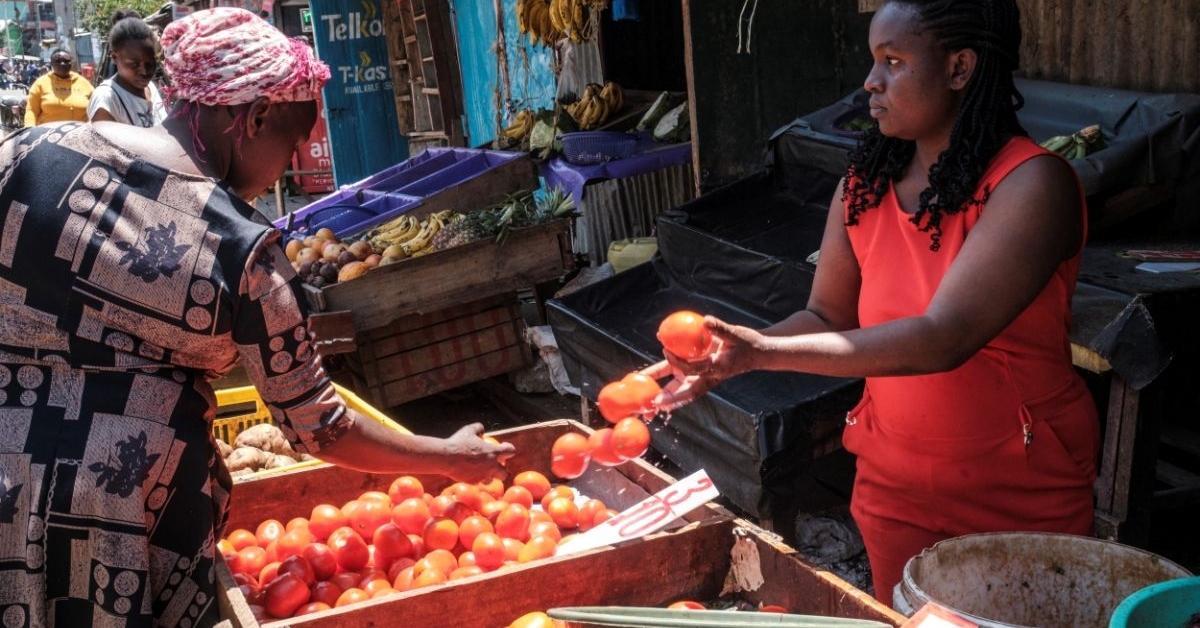
Small and growing companies across Côte d’Ivoire and the wider region continue to face challenges in securing funding, especially those led by women and young entrepreneurs. Traditional financing models often do not meet their needs. Locally domiciled funds, combined with approaches such as blended finance, impact investing, and early-stage equity, offer a more flexible and targeted way to address this gap.
The goal is not only to attract capital, but to ensure it is used effectively. Investment should reach businesses that create jobs, drive innovation, and strengthen economic resilience.
Working together to move forward
Recent discussions in Abidjan show that there is growing alignment among policymakers, regulators, and investors. There is a shared understanding of what needs to be done.
The next step is coordination.
No single institution can move this agenda forward on its own. Progress will depend on continued collaboration between governments, regulators, fund managers, and development finance institutions. It will also require sustained dialogue and a clear focus on implementation.
Platforms such as the Collaborative for Fund Domiciliation in Africa are helping to advance fund domiciliation across Africa by working directly with countries to convene regulators, policymakers, and investors around concrete reform priorities. The recent roundtable in Abidjan is one such example, bringing together key stakeholders to align on the regulatory and market actions needed to position Côte d’Ivoire as a fund domiciliation hub. These engagements are critical in bridging the gap between regional frameworks and national implementation. Sustaining this momentum will be essential, but real progress will depend on consistent action at both national and regional levels.
A moment that matters
Côte d’Ivoire is at an important moment. With the right choices, it can position itself as a gateway for investment into Francophone Africa.
The opportunity is clear, but it will not remain open indefinitely.
As global capital becomes more selective, countries that offer clarity, efficiency, and credible regulatory systems will stand out. Côte d’Ivoire has many of the right elements already in place.
What happens next will determine whether it can turn that potential into lasting impact.