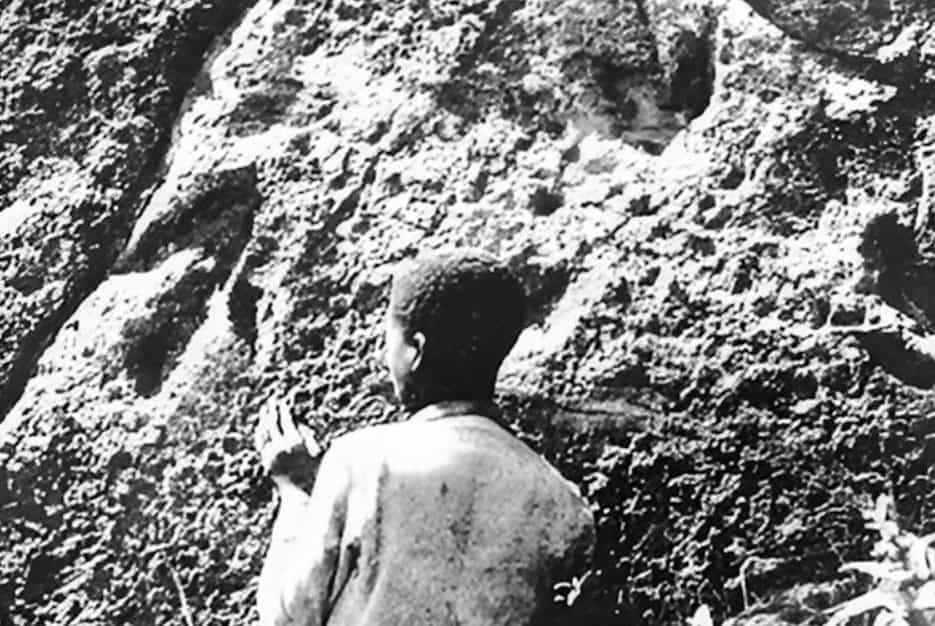
Long before modern scientists began studying fossils in southern Africa, local communities in Lesotho were already observing and interpreting them. New research drawing on the archives of missionary and paleontology enthusiast Paul Ellenberger reveals that Basotho and San communities recognized fossilized bones and ancient footprints generations ago. Rather than seeing them as random stones, they wove these discoveries into stories and cultural explanations—sometimes linking giant bones and footprints to mythical creatures such as the legendary Kholumolumo. Researchers now say these traditions reflect careful observation of the landscape and may represent an early form of “citizen science.” In several cases, local knowledge even guided scientists to important fossil sites later studied by professionals. The findings highlight how indigenous perspectives contributed to the development of paleontology and challenge the long-standing narrative that fossil discoveries in the region began with European missionaries.
The Conversation