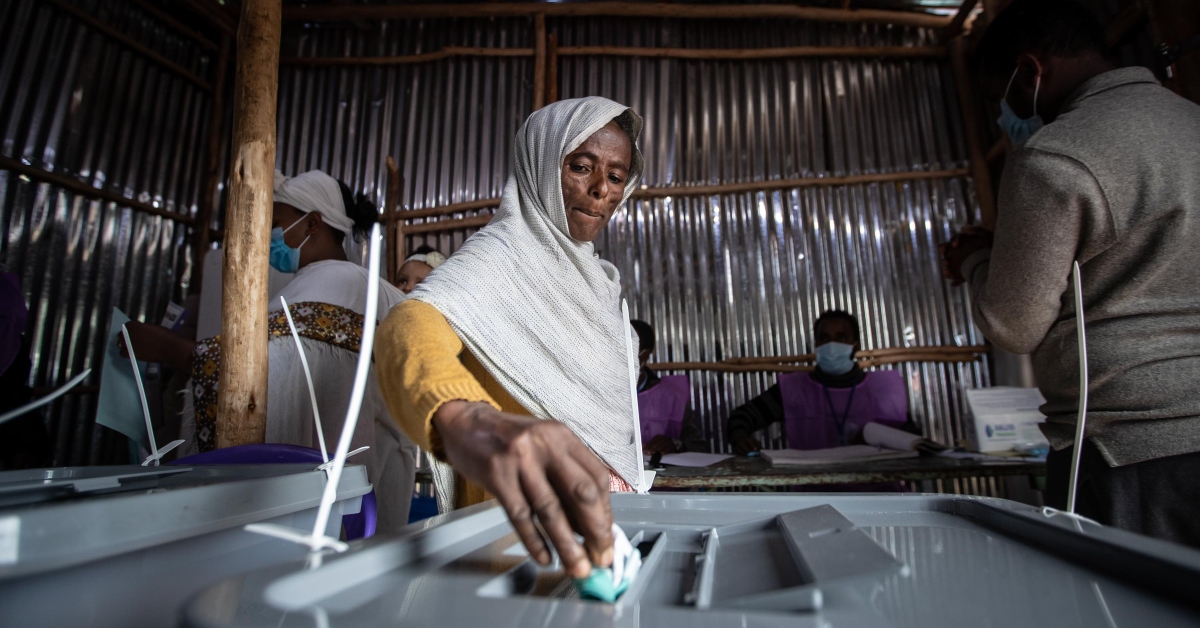
Ethiopia’s election is not expected to spring any surprises. Prime Minister Abiy Ahmed Ali’s Prosperity Party is expected to win a large majority in parliament, handing him a third term in office.
This story is written and edited by Global South World
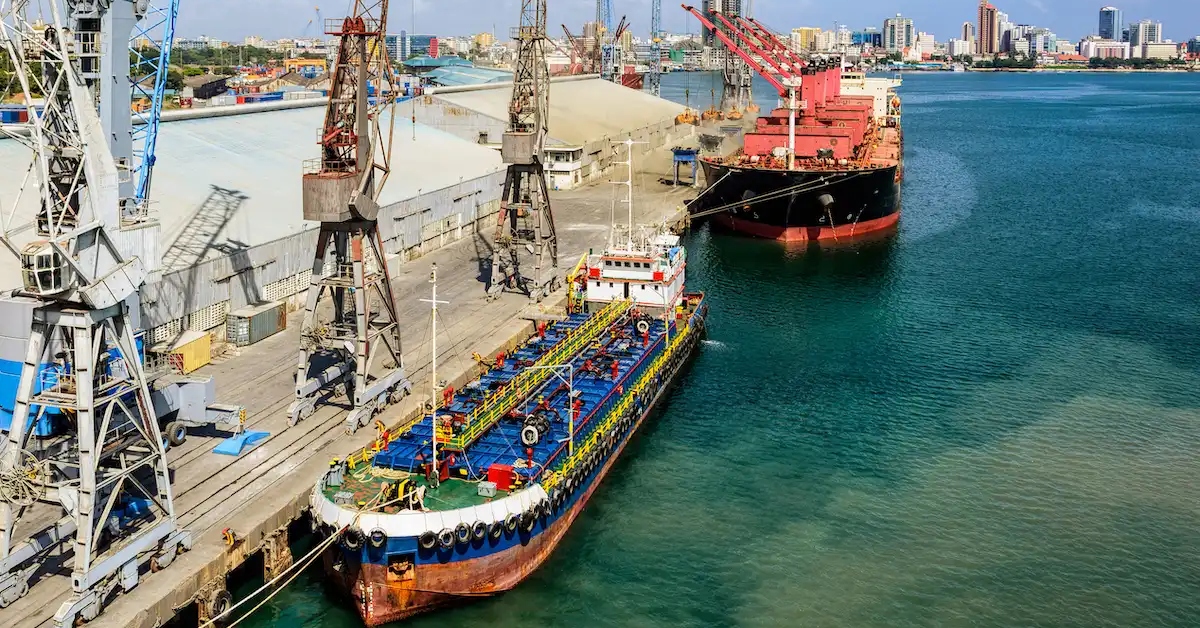
The economy is projected to grow above 7 percent this year, the third fastest in Africa. And yet all is not well in the Africa’s second most-populous country.
Conflicts in Oromia, Amhara and Tigray have displaced millions of people, many of whom will be unable to cast ballots on June 1. In Tigray alone, the fracturing of a fragile peace deal with separatists means the election is unlikely to proceed, denying six million Ethiopians the right to vote.
And Ethiopian journalist Ermias Mulugeta told Global South World that a lack of information caused by media repression will mean many who do participate in the election don’t understand the situation in their own country.
“Talking about politics for the media is a very tough situation right now,” Ermias said. “The government is the biggest factor in this media landscape.”
Speaking from Canada, Ermias said journalists were no longer able to report freely on corruption, politics or conditions on the ground in conflict-affected regions. He claimed Ethiopia’s media regulator had recently instructed journalists to stop publishing stories about corruption, creating what he described as “a very precarious condition” for reporters.
Journalists can face terror charges for reporting on conflict, with the prospect of a death sentence. According to the Committee to Protect Journalists, Ethiopia is the second-highest jailer of journalists in sub-Saharan Africa, after neighbouring Eritrea.
And despite the rapid economic growth, Ermias said ordinary people were not experiencing the benefits.
“People are not actually feeling it,” he said. “Daily food prices are rocketing.”
He argued that tighter media controls reflected government concerns about growing public frustration. According to Ermias, if journalists were allowed to report freely from regions affected by conflict, they would reveal realities that contradicted official narratives about stability ahead of the election.
Social media fills the news vacuum
Ermias said the weakening of traditional media had pushed more Ethiopians towards social media for news and political discussion. While this had allowed more people to express their views, he warned it had also fuelled misinformation and public confusion.
“People are so confused,” he said, describing a flood of contradictory narratives online from both government supporters and critics.
He argued that journalists and press freedom advocates should work with the Ethiopian government to restore at least some of the media freedoms that previously existed.
“Now we’re in a very tough situation,” Ermias said. “Those who are fighting for press freedom should work with the Ethiopian government to at least get it back to where we were.”

This article was originally published by Global South World and is republished here with permission. View the original article.
Global South World was created to address the emergence of influential nations outside traditional power structures in geopolitics. Our mission is to amplify voices from the Global South and raise awareness of changes and trends in those countries.