Lindeka Dzedze, Executive Head of Strategic Partnerships for Global Markets at Standard Bank Corporate & Investment Banking and Chair of the African Women Impact Fund (AWIF)
In her inaugural address as the first woman to chair the African Union Commission, Dr Nkosazana Dlamini-Zuma issued a powerful call for pan-African unity: “The only way to ensure success in our continent’s endeavours is to move together as one united continent and people. Unity is our watchword; unity is our salvation.” Her words remain a compelling reminder that Africa’s progress depends on solidarity, shared purpose, and collective action.
As we mark Africa Month, this is an opportunity to consider how the continent can move beyond a narrative of potential and be recognised as a force within the global financial architecture. Africa’s economic transformation will depend on a financial reform agenda that is deliberately inclusive. That means placing a gender lens at the centre of investment decisions, not at the margins.
This is why initiatives such as the Africa Women Impact Fund (AWIF) offer a compelling proposition. Established in partnership with the African Women Leadership Network (AWLN), AWIF is helping to expand the number and influence of women fund managers on the continent. Its recent support for 10 women fund managers across Africa reflects a practical approach to inclusive growth (women and youth): strengthening the people who assess opportunities, allocate capital, and shape long-term investment outcomes. These efforts also highlight the theme that is especially important for Africa’s future: Inclusive growth and development.
Inclusive growth and development
Large-scale infrastructure remains essential. But if it is not matched by inclusive financing mechanisms, it risks reinforcing exclusion rather than broadening economic participation. What is needed is a more deliberate capital architecture, one that combines scale with inclusion, and growth with risk transformation. One that allows capital to flow to productive but underserved segments of the economy.
If we are to address the challenges and opportunities before us, we must bring more women into the investment conversation and ensure they have the power to shape key decisions. The gender exclusion and biases that have long defined this landscape have constrained progress for decades. Despite sustained advocacy, analysis, and engagement, change has not kept pace with the speed of the global economy.
Gender lens investing is an investment strategy aimed at narrowing gender gaps and advancing financial inclusion for women across the continent. Research by the Milken Institute presented in “The Missing Billions: Analyzing the Impact of Women-Led Fund Managers”, shows that venture capital firms with women general partners and founders have a higher proportion of deals targeting women-founded and women-cofounded companies than the industry average. This is indicative of the multiplier effect that can follow when one woman is empowered to create opportunities for others.
By directing capital to women-led businesses, investors can help bridge the gender funding gap across sectors. This form of investing represents both a growth opportunity and a practical pathway to expand the African economy by building on the progress already made.
It is for this reason that financial institutions such as Standard Bank and other development finance institutions continue to innovate solutions that make instruments more accessible for this type of investment. This thinking also underpins the foundation of AWIF.
Power in Partnerships
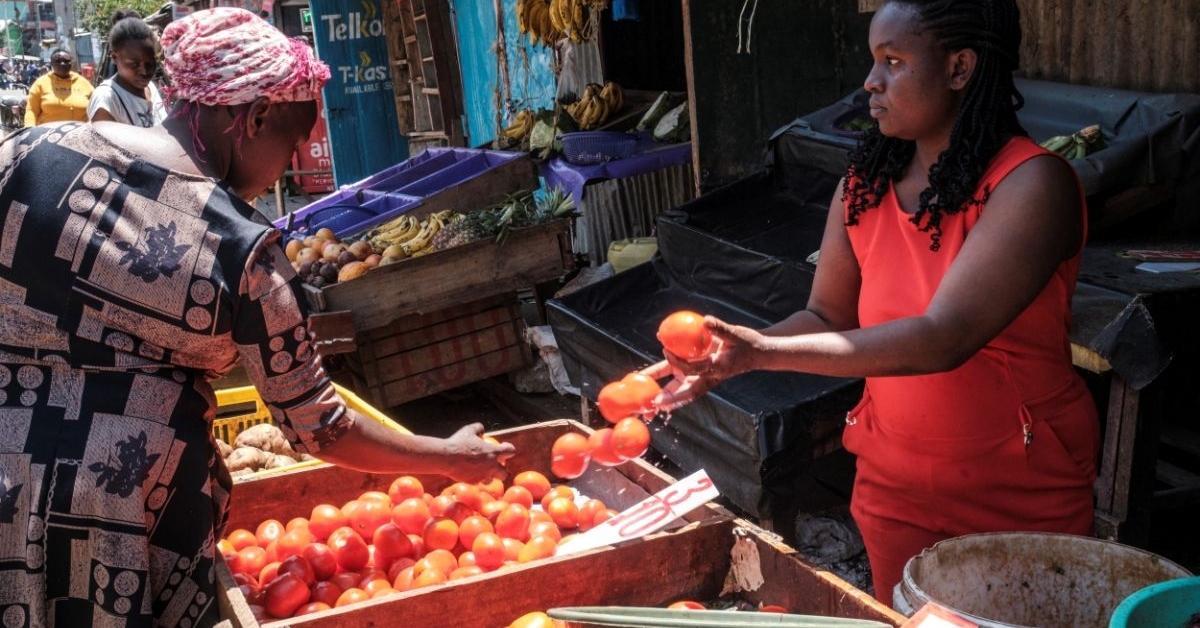
Africa needs complementary investments that strengthen Micro, Small, and Medium Enterprises (MSMEs), build productive capacity, and improve access to finance. Integrating gender responsive, inclusive financing mechanisms alongside infrastructure development ensures that growth translates into broad based economic opportunity, productivity gains, and sustainable transformation rather than deepening structural inequality.
Africa’s growth is a shared responsibility, and each of us can contribute not only to expanding the economy but also to sustaining that growth. Investors entering the market should consider strategies that seek to generate positive, measurable social and environmental outcomes while addressing the region’s most pressing challenges.
Leveraging the Opportunity
After years of engagement with leaders, organisations, and non-governmental organisations working to close the gender gap in Africa, one lesson is clear: when more women reach positions of influence in investment, the effects extend far beyond individual success. Greater representation in capital allocation helps unlock broader opportunity for businesses, communities, and future generations.
That is the purpose of AWIF: it is designed to mobilise capital to women-led funds across Africa, unlocking investment into underserved sectors, growth-oriented MSMEs, and emerging enterprises too often excluded by conventional finance. By supporting women as financial decision-makers, AWIF is not only addressing a structural imbalance in the investment ecosystem but also helping to build a more sustainable model for economic expansion in Africa.
Africa’s growth story will be shaped by those who invest with both ambition and intention. If the continent is to realise its full potential, innovation must be matched by inclusion, and capital must be directed towards the people and ideas that can drive lasting change.