How nurses are becoming the backbone of healthcare access, early disease detection and community resilience across Africa
by Sokhu Sibiya
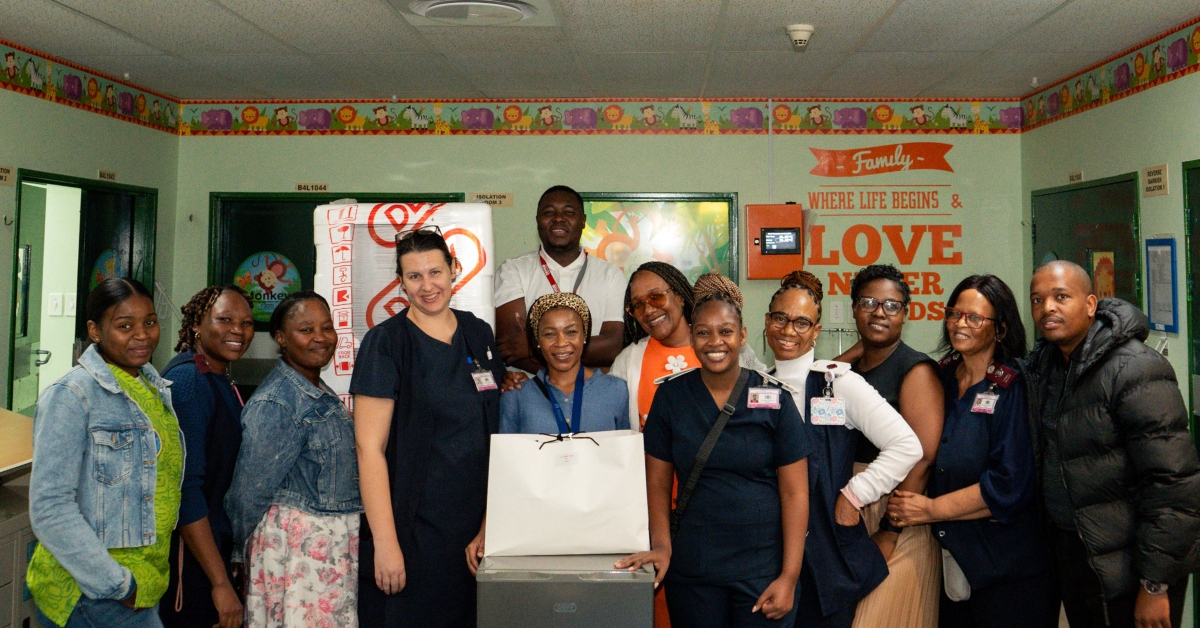
Across Africa, nurses are the foundation upon which healthcare systems are built. They are often the first healthcare professionals patients encounter, the providers who remain closest to communities, and increasingly, the frontline workforce carrying the burden of healthcare delivery in overstretched systems.
Yet while nurses play an indispensable role in safeguarding public health, the profession itself is facing mounting challenges. Staffing shortages, rising patient demand, migration, burnout and limited specialist training opportunities are placing unprecedented pressure on nursing workforces across the continent.
At the same time, innovative healthcare partnerships and community-led care models are demonstrating that empowering nurses could be one of Africa’s most effective strategies for improving healthcare access and outcomes.
Findings from the World Health Organization’s State of the World’s Nursing 2025 report paint a complex picture. While the global nursing workforce continues to grow, major regional disparities remain, particularly across low- and middle-income countries where healthcare needs are increasing faster than workforce capacity.
South Africa offers a striking example of this challenge.
According to the South African Nursing Council, the country currently has a nurse-to-patient ratio of approximately one nurse for every 218 patients. The National Department of Health has reported more than 15,000 vacant nursing posts in the public sector alone. Looking ahead, projections suggest South Africa could face a shortage of between 131,000 and 166,000 nurses by 2030 as retirements outpace the number of newly qualified professionals entering the workforce.
These figures reflect a broader continental reality. Across Africa, healthcare systems are under growing strain from expanding populations, increasing chronic disease burdens and ongoing pressures on public health budgets.
Yet despite these challenges, nurses continue to serve as the critical link between healthcare systems and the communities they support.
The Frontline of Early Detection
One of the most important—and often overlooked—roles nurses play is in the early detection of serious illnesses.
Because nurses spend more time with patients than most other healthcare professionals, they are uniquely positioned to identify subtle warning signs that may otherwise go unnoticed. This is particularly important in diseases such as blood cancer, where symptoms can be vague, easily dismissed and difficult to recognise. Unlike many illnesses that present obvious symptoms, blood cancers often develop quietly. Persistent fatigue, unexplained bruising, recurring infections, night sweats, swollen lymph nodes and ongoing weakness can all be indicators. Yet these symptoms are frequently mistaken for stress, ageing or common infections.
PULL QUOTE
“In a country where blood cancer is diagnosed every single hour, nurses’ powers of observation can mean the difference between early intervention and a life-threatening delay,” says Palesa Mokomele, Head of Community Engagement and Communication at DKMS Africa.
A key challenge is that specialist haematology training remains limited. Most blood cancer patients in South Africa are cared for by oncology-trained nurses or general nurses who may have had little exposure to haematological conditions during their training.
This creates a critical awareness gap.
“Nurses are already there, already trusted, already watching…” Mokomele explains, “…what they need is the knowledge to connect what they are seeing to what it might mean.”
Through its Access to Transplant programme, DKMS Africa provides education initiatives and community mobilisation workshops focused on the early warning signs of blood cancer. The programme aims to equip frontline healthcare workers with the knowledge needed to identify potential cases earlier and improve referral pathways. The approach highlights that strengthening nursing education can significantly improve health outcomes without requiring entirely new healthcare infrastructure.
Bringing Healthcare Closer to Communities
As demand for healthcare grows and healthcare facilities remain unevenly distributed, community-based healthcare models are increasingly being recognised as a practical solution to improving access, particularly in underserved areas. One example is the partnership between global healthcare company Viatris and South African non-profit organisation Rhiza Babuyile.
Established in 2020, the partnership focuses on supporting scalable community healthcare programmes, including a growing network of nurse-led clinics designed to close healthcare
access gaps while strengthening local healthcare capacity. Today, six clinics supported by the initiative are operational across South Africa and Sub-Saharan Africa.
The model reflects a growing recognition that nurses are not only caregivers but also healthcare entrepreneurs, community leaders and system builders. “Across the world, healthcare systems are under increasing pressure, and the need for sustainable, scalable solutions has never been greater,” says Arvind Kanda, Head of ARV/API South Africa and Sub-Saharan Africa at Viatris.
The success of nurse-led clinics demonstrates how investing in nursing capacity can simultaneously improve healthcare access, strengthen local health systems and create more resilient communities.
A Workforce Worth Investing In
As Africa seeks to achieve universal health coverage and strengthen healthcare resilience, nurses will remain at the centre of that effort. Addressing nursing shortages will require coordinated action across education, workforce planning, policy development and investment. Expanding specialist training, improving working conditions, creating leadership opportunities and supporting community-based models will all be critical components of the solution.
Read WHO’s full report here: