Thursday, June 25, 2026 - 06:39:28
Loading weather…
Latest

State power utility Eskom has concluded a three-year wage agreement with two major unions, offering 7 percent annual salary increases for bargaining-unit employees effective from July 2026. Solidarity and the National Union of Mineworkers accepted the deal. The National Union of Metalworkers of South Africa rejected it and declared a deadlock, demanding a higher raise. […]
...
Angola is negotiating a $165 million budget support loan with the African Development Bank as part of a broader push to secure roughly $1 billion in external financing this year, Finance Minister Vera Daves de Sousa said Friday. Despite the global fallout from the Iran war, Angola’s oil sector continues to provide a crucial buffer. […]
...
Business development is often misunderstood as sales by another name. But in Africa’s fast-evolving commercial and development ecosystems, it has become something much broader and more essential. It’s the work of discovering opportunities, designing entry points, and creating long-term value through insight, partnerships, and positioning. It’s not just about growth; it’s about intentional growth. This story is […]
...
Kenya has formally requested rapid emergency financial support from the World Bank to shield its economy from the severe fallout of the ongoing war in Iran, Central Bank Governor Kamau Thugge confirmed Thursday. The request, described by Thugge as “significant” in amount though no exact figure was disclosed, would tap the World Bank’s Rapid Response […]
...
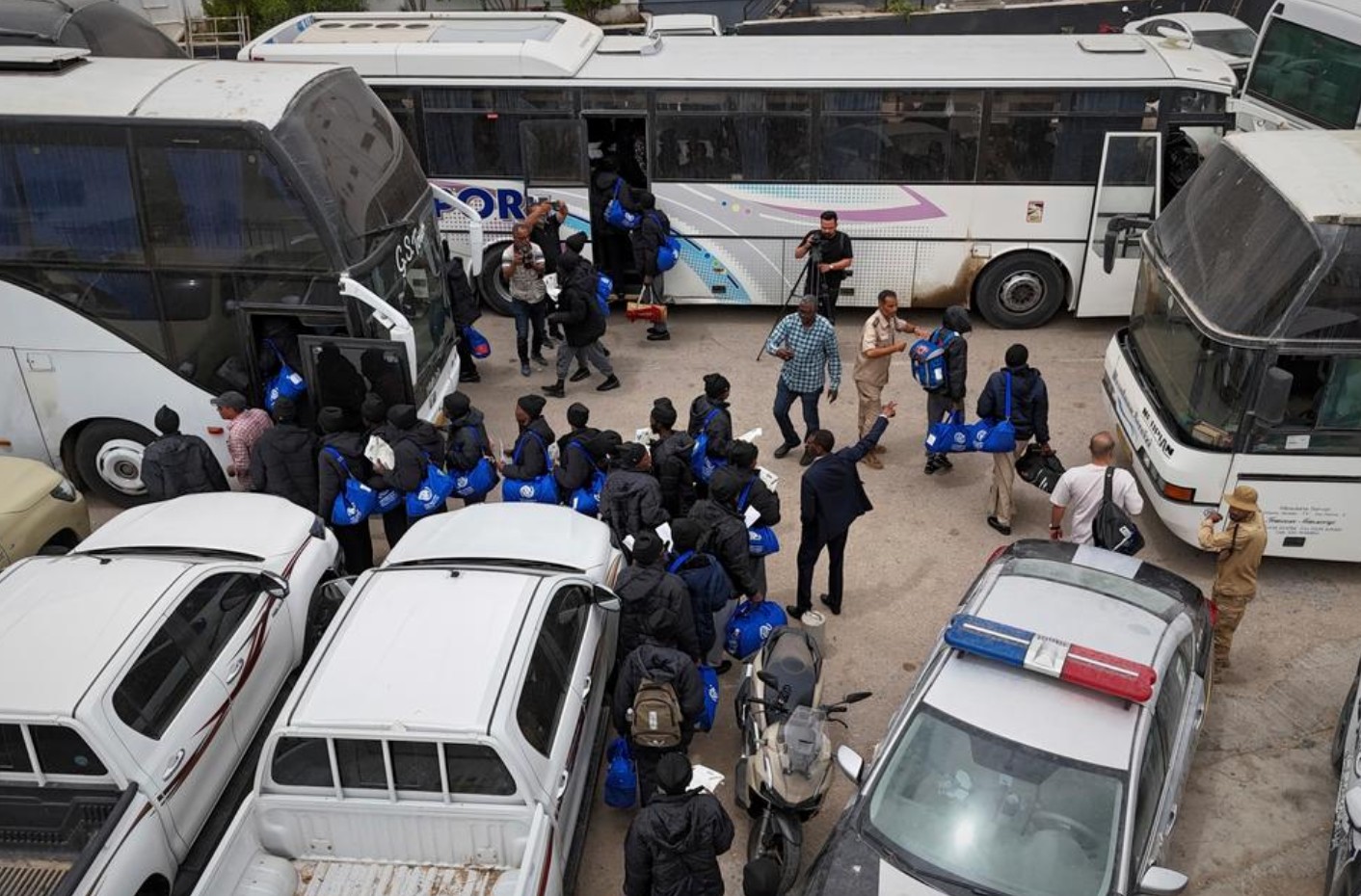
Forcefully displaced people in Africa face numerous challenges, ranging from violence and mental distress to loss, stigma and poverty, and conditions in the camp that limit their access to basic social services like healthcare, food and clean water. This story is written and edited by Global South World The daily life of these vulnerable people is […]
...
By Sam Dahya, Head of Investor Services, Custody and Investment Administration, Standard Bank CIB The global move from a fluid trade settlement timeline (Time trade execution to settlement T+3) to a tighter timeline (T+1), is reshaping how markets think about post-trade risk, capital efficiency and competitiveness. A growing share of global activity is now operating […]
...
By Keegan Skinner, Deputy Head – Academics, Reddam House Waterfall As we navigate a world of constant transformation, education stands at a defining crossroads. The next few years will challenge us to rethink not just how we teach, but why we teach and what we truly mean when we use the highly thrown around word […]
...
Nigeria’s aviation minister has appealed directly to domestic airlines not to suspend operations or impose steep fare increases despite a more than 270 percent surge in jet fuel prices triggered by the Iran war. In a letter dated April 16 and seen by Reuters, the minister acknowledged the “crippling” pressure on carriers but warned that […]
...
Despite a broader emerging market recovery, three African countries—Senegal, Mozambique, and Malawi—could default on their sovereign debt within the next two years. Citi’s chief Africa economist, David Cowan, sounded the alarm, pointing to currency collapses and the financial shockwaves from surging oil prices linked to the Iran conflict. While Senegal might scrape through 2026, a […]
...
President Bola Tinubu has unveiled a sweeping set of import duty waivers designed to shield Nigerians from the economic fallout of the Middle East crisis. In a major fiscal pivot, the government has scrapped the 5% duty on electric vehicles, mass transit buses, and manufacturing machinery, aiming to lower transport costs and boost industrial productivity. […]
...
The Democratic Republic of Congo has launched a strategic reserve for cobalt and other key minerals, giving the state greater control over global supply and prices. As the source of roughly 70% of the world’s cobalt, the move allows regulators to stockpile unused export quotas and release them strategically to stabilize markets. It builds on […]
...
Africa’s agrochemicals market is projected to grow to $15 billion by 2031, driven by climate change, rising food demand, and increased government support for farmers. As shifting weather patterns invite invasive pests and labor shortages intensify, farmers are increasingly turning to precision insecticides and digital monitoring tools to save their yields. Fertilizers currently dominate the […]
...